OpenAI Just Made AI the Default Operating Layer for Small Business

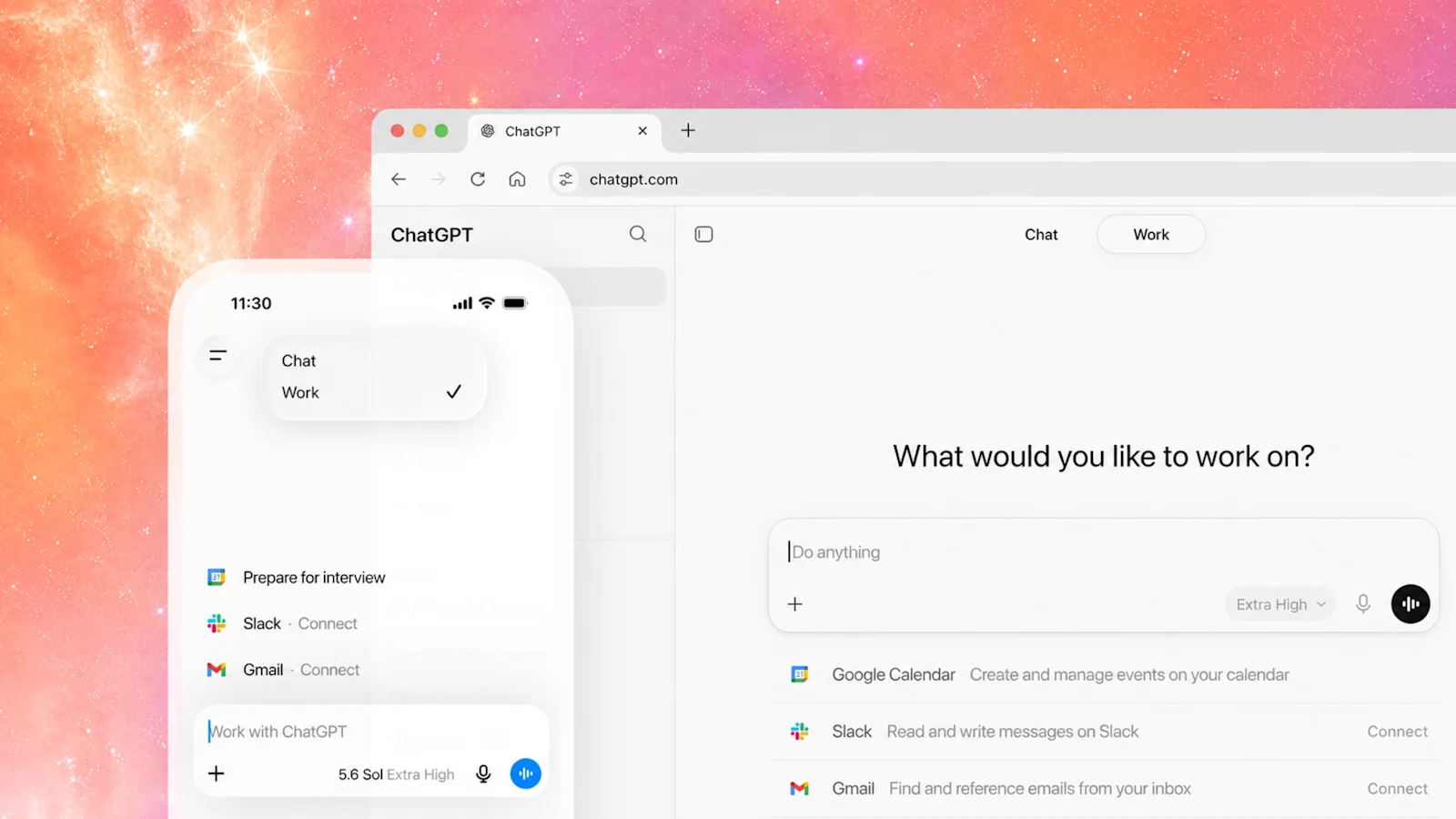
On 21 July 2026, OpenAI announced its ChatGPT for small business programme, a structured initiative to get smaller firms using ChatGPT Work across marketing, accounting, ecommerce and operations. It combines virtual training, in-person AI academies in the US, ready-made guides, and partner agents from the likes of Shopify, Intuit, Slack and Wix.
The headline is not the training. It is the intent. OpenAI is formalising AI as the default operating layer for lean teams, and that quietly reshapes how customers find, evaluate and buy from small businesses.
What SMBs Actually Get
The programme has four moving parts. Product-specific webinars showing real workflows. In-person academies for hands-on instruction. Starter guides, customer stories and short videos you can upload straight into ChatGPT Work. And a curated set of partner skills and promotions.
All of it sits on ChatGPT Work, an agent that completes multi-step tasks end to end when connected to your files and apps. It runs on GPT-5.6, and crucially that model is available on every subscription tier, not just enterprise.
Why the Numbers Matter
OpenAI is not guessing here. From its Small Business AI Jams last year, 78% of participants built a functional AI workflow in a single day, and 42% saved more than five hours a week. That is the sort of adoption curve that turns a novelty into standard practice.
In my opinion, that speed is the whole story. When a solo owner can automate contract data entry (one owner cited saving ten hours on a single 30-page quote), the cost of doing quality work collapses. Enterprise-grade capability at SMB prices removes the last excuse not to adopt.
The Digital Discovery Implication
Here is where growth leaders should pay attention. As millions of small firms adopt ChatGPT Work, they are not just producing content faster. They are training buyers to start their journey inside an assistant rather than a search box.
From my observation, this accelerates the shift from search results to answer engines on both sides of the market. B2B buyers researching a supplier and consumers comparing services increasingly get a synthesised answer, not ten blue links. That changes what you optimise for.
| Old discovery model | Emerging model |
|---|---|
| Rank in search results | Be cited in AI answers |
| Keyword-led pages | Structured, machine-readable facts |
| Click through to site | Answer delivered in-assistant |
| Content volume wins | Clarity and verifiability win |
How SMB AI adoption reshapes where discovery happens.
What To Do About It
Three concrete actions. First, make your key facts (pricing, service areas, product data) explicit and structured so assistants can lift them accurately. My earlier note on structured data for product visibility applies directly.
Second, if you deploy ChatGPT Work agents, monitor them. Autonomy is useful until it drifts, a risk I covered in how AI agents drift over long tasks. Set review points on anything customer-facing.
Third, treat this as a competitive signal. When your smallest rivals can operate like a full team, differentiation shifts from output speed to judgement and trust. Register interest via the ChatGPT for small business page, then decide deliberately where AI adds real value and where a human still closes the deal.
Tags