OpenAI is expanding ChatGPT Ads to 31 European markets - Here's Everything You Need To Know
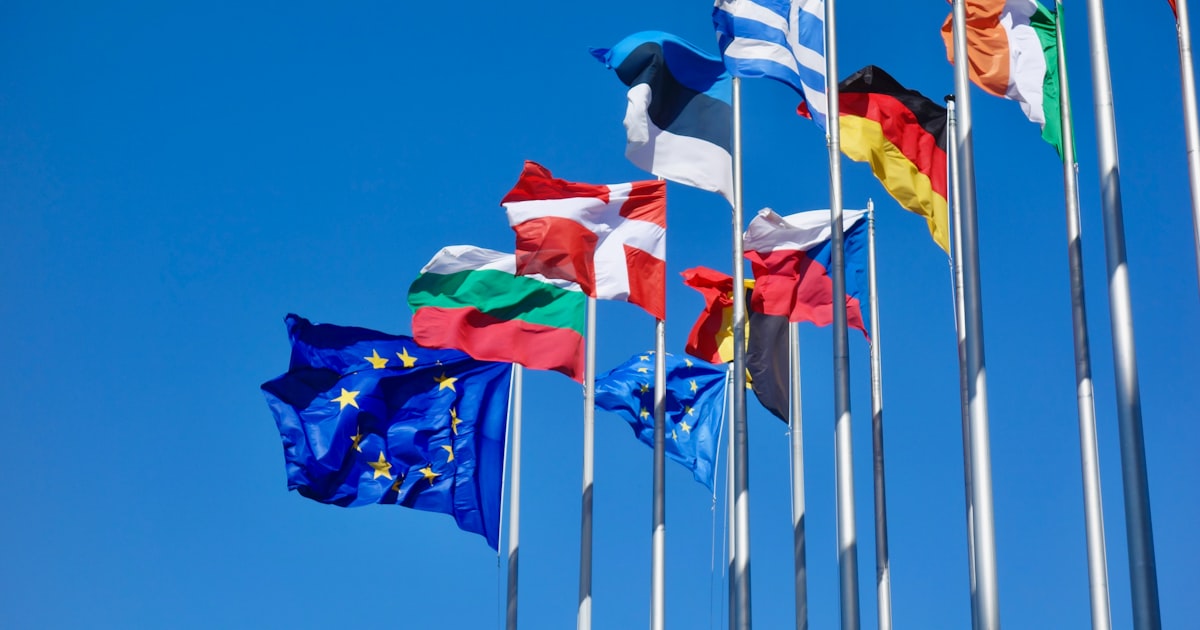
OpenAI is expanding ChatGPT Ads to 31 European markets, including Germany, France, Spain, Italy, Sweden and the Netherlands. That single line means the AI you use to draft emails is now a paid discovery surface, a place where people compare software, plan trips and choose products, and where advertisers can pay to appear inside that decision.
This matters because the ad shows up at the exact moment intent takes shape, not after a keyword is typed. I think that is the real story here, and it is not a small one.
What happened
Next week, ChatGPT Ads goes live across 31 European countries. Access starts through OpenAI's Ads Solutions team, agency partners and technology partners, with self-service Ads Manager following later in the summer.
Ads only appear for users on Free and Go plans. Plus, Pro and Enterprise stay ad-free, so your paid reach skews toward casual and cost-conscious users, not power subscribers.
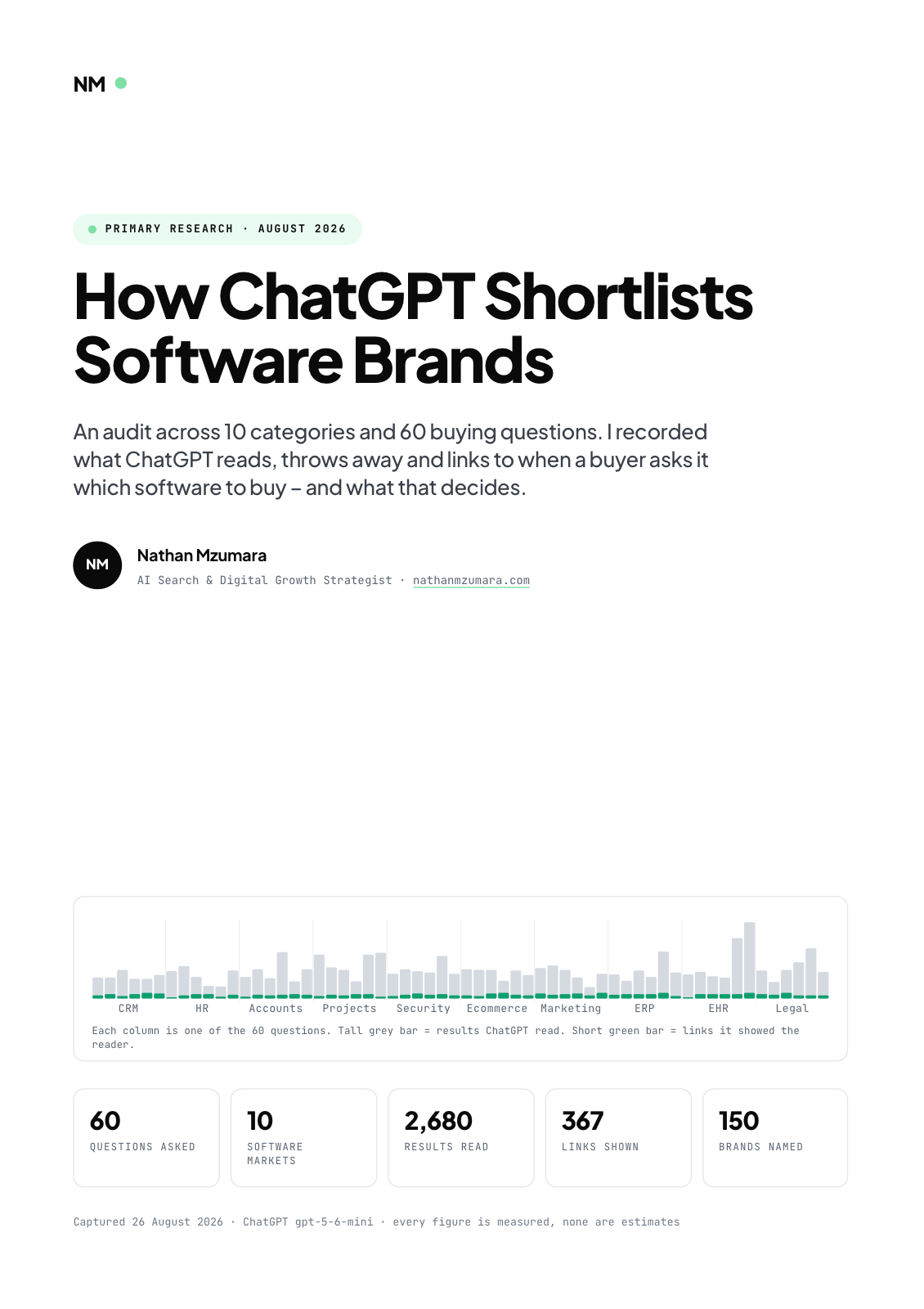
That free tier is also where the organic answers get decided. A 60-question audit run entirely on the free model found every answer was handled by gpt-5-6-mini and searched the web before replying, with 65.9% of the links it showed pointing at vendors' own sites.
When it happened
OpenAI began testing ads in the US in February 2026. Over six months it reached eight further markets, and this European rollout, announced on 18 August 2026, is its largest expansion to date. Tens of thousands of marketers have already run ads on the platform.
How conversational ads differ from search ads
Search ads answer a query. Conversational ads sit inside a goal. People do not type three keywords into ChatGPT, they explain what they want to accomplish, their constraints and what matters to them, which is a far richer intent signal than a search string.
Here is the practical difference for a growth team:
| Dimension | Search ads | ChatGPT Ads |
|---|---|---|
| Trigger | Keyword match | Expressed goal and context |
| Buying models | CPC, CPM | CPM, CPC and conversion optimisation |
| Targeting | Keywords, audiences | Geo-targeting, custom audiences |
| Measurement | Clicks, pixels, GA | OpenAI Pixel, Conversions API, third-party integrations |
| Mediator | The user reads results | The AI frames the comparison |
Caption: How ChatGPT Ads inventory and measurement compare to traditional search ads, based on OpenAI's platform update.

The privacy and regulatory context
OpenAI says conversations stay private from advertisers, customer data is never sold, and ads are clearly labelled and separate from answers. Crucially, it states advertising does not influence the answers ChatGPT gives, which sits alongside its published approach to advertising and expanding access.
In Europe this is not optional polish. With clear labelling requirements landing under the EU AI Act transparency rules, the separation between paid placement and organic answer becomes a compliance line, not a design choice.
What it means for growth teams
From my observation, three shifts follow. First, your brand needs to earn a place in the organic answer, because that is what the ad sits beside. If ChatGPT already writes you out of the shortlist, paying for adjacency will feel expensive.
Second, rebuild measurement around the OpenAI Pixel and Conversions API rather than assuming clicks tell the story, because the AI mediates the decision before anyone clicks.
Third, treat this as a channel where visibility precedes spend. This connects directly to how ChatGPT builds a brand shortlist before it searches, and paid presence only works if you are already a credible option.
Action to take: audit whether ChatGPT currently recommends you in your category, then request early access at ads.openai.com so you can test conversion-optimised campaigns before self-service opens the floodgates.
Tags