Issue 04. The week measurement finally caught up with AI traffic
TL;DR
Two GA launches in two days, a new frontier model from Anthropic, OpenAI buying its way into persistent agentic infrastructure, and a Search Central event in Paris you should know about. A lot moved this week, and most of it has direct implications for how your team measures and optimises.
Google Analytics now tracks AI chatbot referral traffic automatically
- What
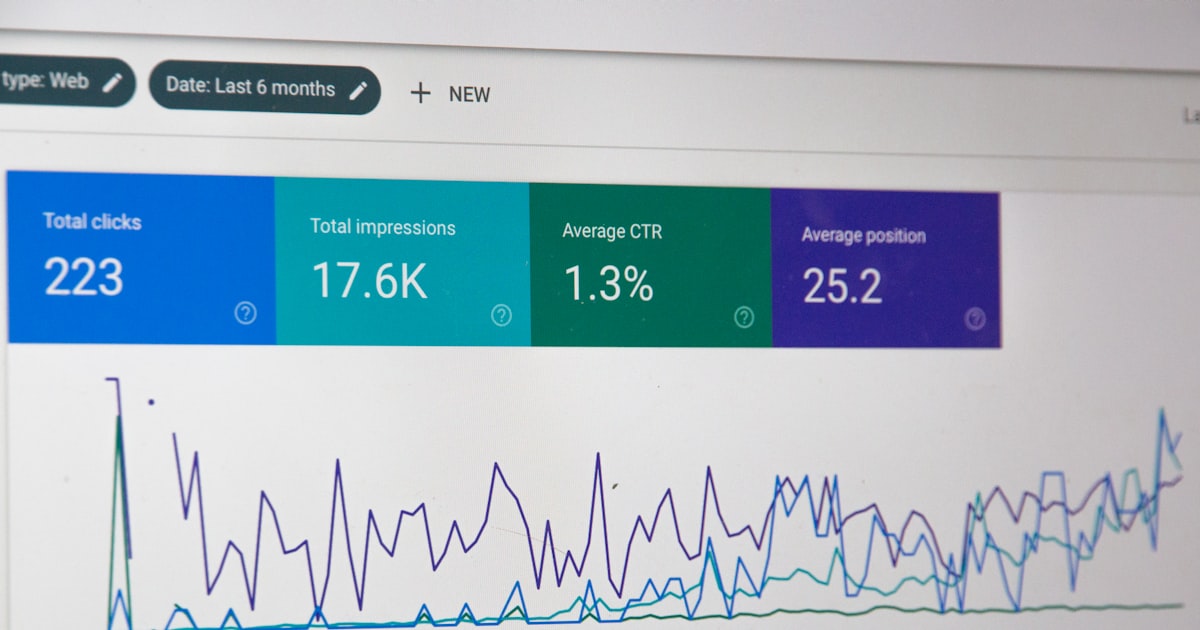
- Google Analytics is rolling out automated measurement of human traffic arriving from AI chatbots, including ChatGPT and Perplexity. The feature surfaces this traffic directly inside GA reports as a distinct channel, so teams no longer need custom UTM workarounds or third-party tools to see how much of their referral base is coming from AI-generated answers. This addresses what has been the single biggest measurement blind spot for growth and SEO teams in 2025 and 2026: sessions that originate from an AI assistant citing your content arrive with no reliable referrer string, making them invisible or misattributed in standard analytics. GA is now grouping these automatically rather than letting them bleed into direct or unknown traffic.
- When
- Announced by the Google Analytics account on 10 June 2026. No specific rollout window was stated, so treat it as actively deploying and worth checking in your own GA4 property this week.
- How it shifts discovery
- If AI search is driving meaningful volume to your site and you have not been able to prove it, this is the fix. Pull your AI Assistant traffic segment as soon as it appears in your account and compare it against your direct traffic baseline for the past 90 days. A spike in direct over the last year that you could never explain may well resolve itself into attributable AI referrals. From a GEO perspective, this data lets you correlate your visibility in AI-generated answers with actual sessions and conversions, which is the measurement layer the discipline has been missing. Once you have volume data, you can start building the business case for investing in AI citation optimisation with real numbers rather than estimates. One known limitation flagged in early comments: grouped GBP profiles are not yet eligible for linking, and the segment does not yet appear in Custom Explorations or Data Studio, so export options are currently restricted.
- Questions to ask
- Does our current GA4 configuration already capture AI referral sessions, or are they being absorbed into direct traffic?
- Which AI assistants are sending us the most traffic, and how does that traffic convert compared to organic search?
- How do we build a reporting view that ties AI citation share to downstream conversions so we can defend GEO investment internally?
- Sources
Google Business Profile now links directly to Google Analytics
- What
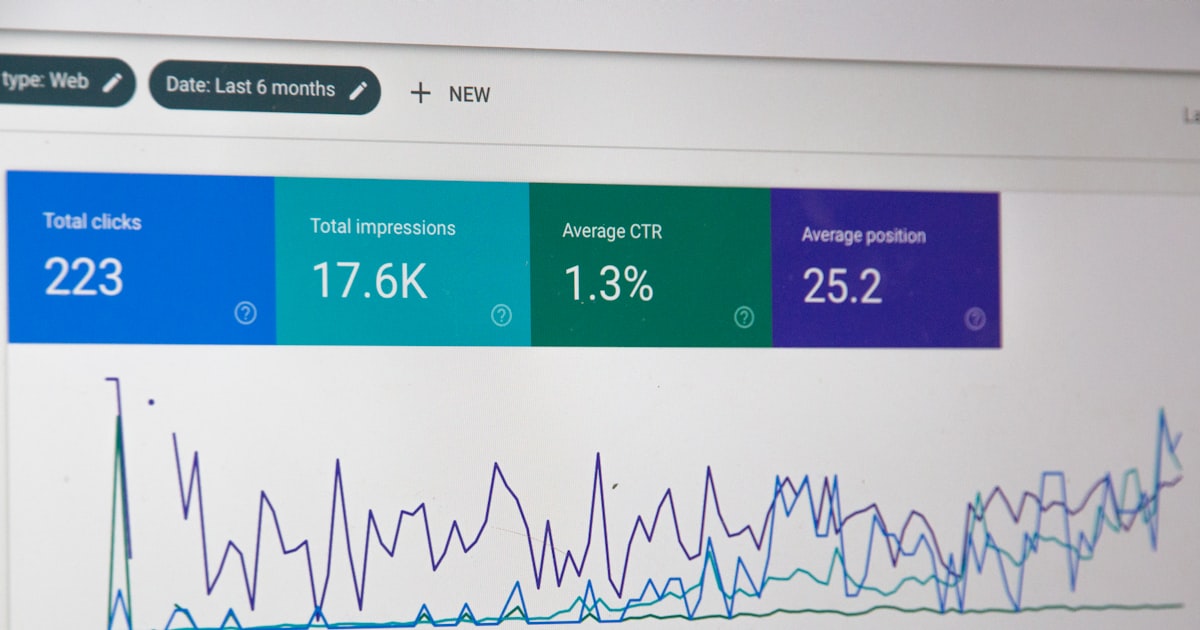
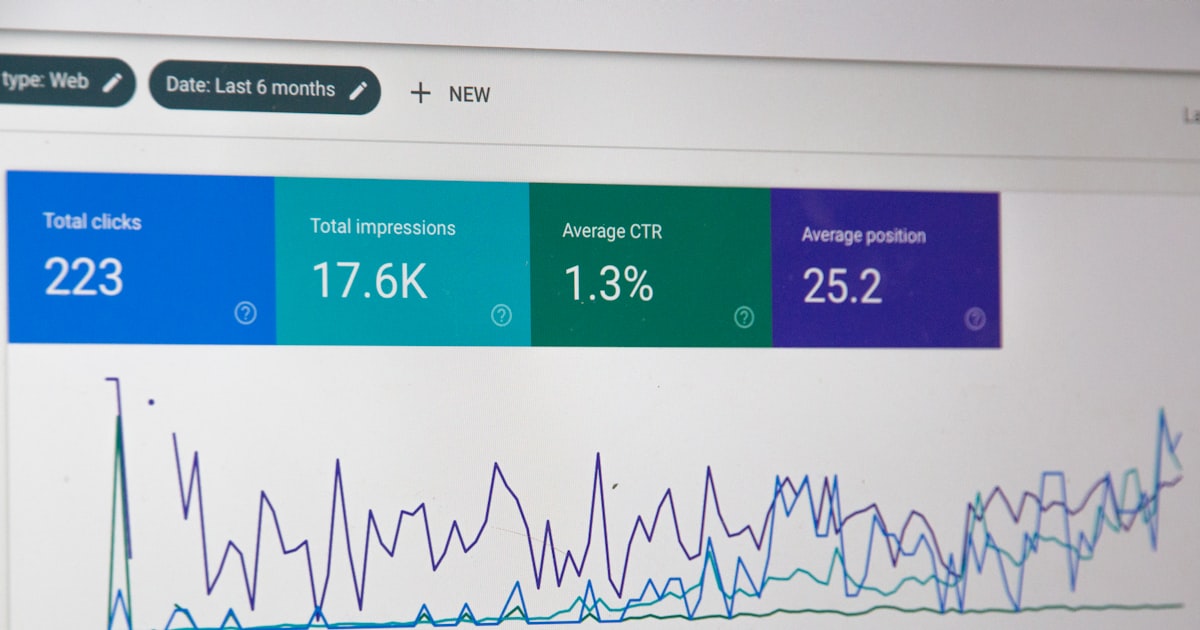
- Google has enabled direct linking between Google Business Profile and Google Analytics, bringing GBP interactions, calls, booking clicks, and direction requests into GA as part of a unified cross-channel view. Previously, these interactions lived in the GBP performance dashboard in isolation, with no native path into GA. That meant local businesses and multi-location brands were making decisions about their GBP strategy using data that never touched their wider analytics stack.
- When
- Announced by the Google Analytics account on 11 June 2026, one day after the AI traffic announcement. No staged rollout window was given, though an early commenter noted that profiles inside group accounts are not yet eligible, only ungrouped profiles.
- How it shifts discovery
- For any business that gets meaningful traffic or conversions from local search, this closes a real attribution gap. You can now see whether direction clicks and call taps from your GBP listing correlate with website sessions, purchases, or enquiry form submissions in the same report. That is a significant upgrade for local reporting and for justifying GBP optimisation work to stakeholders. The immediate action is to go into your GA4 property and link your GBP profile if it is ungrouped. If your profiles sit inside a group account, note the current limitation and watch for the fix. Once linked, build a segment that isolates GBP-sourced interactions so you can start tracking trend data from this point forward. One caveat worth flagging: the data does not yet flow into Custom Explorations or Looker Studio, which limits how deeply you can interrogate it or include it in client dashboards right now.
- Questions to ask
- Are our GBP profiles ungrouped and therefore eligible for linking today, or do we need to restructure our account first?
- What does our GBP interaction data look like once it is inside GA, and does it change how we prioritise local optimisation effort?
- How do we build a local attribution model that connects GBP calls and direction clicks to revenue, now that the data is in one place?
- Sources
Anthropic launches Claude Fable 5, its most capable publicly available model

- What
- Anthropic launched Claude Fable 5 on 9 June 2026, describing it as a Mythos-class model made safe for general use and the most capable model it has ever released publicly. It leads on nearly all tested benchmarks across software engineering, knowledge work, vision, and scientific reasoning. Alongside it, Anthropic launched Claude Mythos 5, the same underlying model with certain safeguards lifted, available only to a restricted group of cyberdefenders and infrastructure providers through Project Glasswing. Both are priced at $10 per million input tokens and $50 per million output tokens, less than half the price of the previous Mythos Preview model. Safeguards on Fable 5 are tuned conservatively and route some queries to Claude Opus 4.8 instead, triggering in fewer than 5% of sessions on average.
- When
- Launched 9 June 2026 via the Anthropic website.
- How it shifts discovery
- For GEO-focused teams, the relevance is this: Anthropic's Claude models power AI search surfaces and citation behaviours across a growing number of tools and integrations. A step change in model capability, particularly in knowledge work, document reasoning, and long-context retention, affects how these surfaces synthesise and cite content. A more capable model may pull from a wider range of sources, reason more deeply about relevance, and produce answers that rely less on the top few cited pages. That raises the bar for what it means to be a citable, authoritative source inside an AI answer. The practical action is to revisit your content against the kinds of complex, multi-step queries a model like Fable 5 would now be able to answer. Thin, surface-level pages will be outcompeted not just by other websites but by the model's own synthesis capability.
- Questions to ask
- Which of our content assets would Claude Fable 5 cite in a complex multi-step query about our core topic areas, and why?
- Does our content demonstrate the depth of reasoning and specificity that a frontier-class model would use as a primary source rather than a supplementary one?
- How do we monitor which AI models are citing us, and does model capability correlate with citation frequency or quality?
- Sources
OpenAI acquires Ona to build persistent cloud infrastructure for Codex agents
- What
- OpenAI announced on 11 June 2026 that it will acquire Ona, a cloud execution and orchestration company that has helped two million developers work in secure, reproducible cloud environments. The deal brings Ona's persistent environment technology into the Codex ecosystem. Codex currently serves more than five million weekly users, up 400% from earlier in 2026. The strategic rationale is that as Codex handles work that unfolds over hours or days rather than minutes, agents need a persistent workspace that survives beyond a single session or device. Ona's model lets agents operate inside a customer's own cloud environment while OpenAI provides the intelligence and orchestration layer. The acquisition is subject to regulatory approval.
- When
- Announced 11 June 2026. Closing conditions, including regulatory approval, have not yet been met.
- How it shifts discovery
- The direct GEO and search implication is about the direction of agentic AI as a discovery channel. As Codex and similar agent frameworks become capable of running sustained research, analysis, and decision-making tasks over days rather than minutes, the nature of how they consume and cite web content changes. An agent running a multi-hour research task inside a persistent cloud environment is not doing a quick web search and pulling a snippet. It is doing something closer to a sustained analyst workflow, which means depth, verifiability, and structured data matter more than they do in a single-query context. For teams thinking about how to be visible inside agentic workflows, the question shifts from how do we appear in an AI answer to how do we remain a reliable, citable source across a long-running task. That is a different content brief, and it is worth starting to think about now.
- Questions to ask
- How does our content perform in long-running, multi-step research tasks rather than single-query lookups, and are we structured for that kind of use?
- As agentic AI workflows become more common in our target audience, how do we ensure our site is accessible and parseable by agents operating in enterprise cloud environments?
- What does persistent agentic use mean for our analytics, given that a single agent task might generate multiple sessions and interactions that look nothing like a human visit?
- Sources
Google Search Central Live comes to Paris on 25 June
- What
- Google Search Central is hosting a live event in Paris on 25 June 2026. Details were shared via LinkedIn. These Search Central Live events bring Google's search team in front of practitioners for direct Q&A and technical sessions, and they consistently surface the topics Google considers most pressing for the SEO community at that moment.
- When
- Event date: 25 June 2026. Announced via LinkedIn in mid-June 2026.
- How it shifts discovery
- If you or anyone on your team is based in or near Paris, this is worth attending. The sessions and Q&A from Search Central Live events tend to surface practical signals about what Google's team is focused on, including how they are thinking about AI-generated content, crawl behaviour, and structured data. Even if you cannot attend, watch for recap content and session notes in the days that follow: community members typically document the key points in detail. Worth bookmarking the Search Central Live page and checking the event agenda when it is published.
- Questions to ask
- Which topics is Google's search team prioritising at this event, and do they map to our current technical SEO concerns?
- Is there a member of our team in Paris who could attend and bring back direct signals from Google's practitioners?
- How do we build a process for capturing and acting on insights from Google Search Central events, whether we attend or follow the coverage?
- Sources
Key takeaways
What to walk away with this week
- 01
Google Analytics now tracks AI chatbot referral traffic automatically, ending the dark-traffic blind spot that has made GEO measurement unreliable since 2024.
- 02
GBP interactions including calls, direction clicks, and bookings can now be pulled into GA directly, closing a long-standing local attribution gap.
- 03
Anthropic's Claude Fable 5 sets a new capability ceiling for publicly available models, raising the bar for what counts as citable, authoritative content inside AI-generated answers.
- 04
OpenAI's acquisition of Ona signals that agentic AI workflows are moving from single-session tools to persistent, enterprise-grade infrastructure, which changes the nature of AI as a discovery channel.
- 05
Google Search Central Live is in Paris on 25 June, an event worth attending or following closely for direct signals from Google's search team.