Issue 01. The week citation, memory, and discovery all moved at once
TL;DR
Five official platform updates landed in the last seven days, and together they tell one story: the AI search layer is consolidating fast. Citation logic shifted in GPT-5.5, Google opened a new discovery surface for publishers, OpenAI extended memory across sessions, Schema.org made structured-data adoption measurable, and Profound shipped tooling for marketers trying to keep up. Here's what changed, what to ask, and where to read more.

GPT-5.5 quietly rewrote how ChatGPT cites the web
- What
- SISTRIX analysis of GPT-5.5's release shows the citation patterns inside ChatGPT responses have shifted at a scale comparable to a major Google core update, different sources surfacing, different ratios per query type, and a measurable change in which domains get credited.
- When
- Analysis published Tue 2 June 2026; GPT-5.5 rollout in late May.
- How it shifts discovery
- If your AI-search visibility is built around current GPT citation patterns, those patterns just moved underneath you. The same prompts that cited you yesterday may now cite a competitor. Brand citation share inside ChatGPT is now a measurement problem on the same footing as Google ranking volatility, and you need to track both.
- Questions to ask
- Which of my brand-relevant prompts changed citation outcomes between May and June?
- Is my domain still being cited for the queries that drove the most assisted attribution last quarter?
- Do I have a measurement system that catches a citation shift in week one, not week eight?
- Sources
- Search Engine Journal. GPT-5.5 citation analysis (SISTRIX), 2 June 2026
Google launches a Search Profile surface for publishers, creators, and brands
- What
- Google introduced a dedicated profile feature inside Search that lets publishers, creators, and brands highlight their work directly on the results page. It's a structured surface for owned entity content, bio, recent work, links, appearing for relevant brand and named-entity queries.
- When
- Announced on Google's blog by Ibrahim Badr, Thu 4 June 2026.
- How it shifts discovery
- This is the clearest signal yet that Google is leaning into entity-anchored discovery. For named entities (people, brands, publications), the profile becomes a controlled SERP asset, your version of the AI Overview. If you've been treating brand SERPs as something you can't influence, that changes this quarter.
- Questions to ask
- Does my brand have a clean entity signal Google can match a profile to?
- What's the canonical bio + body-of-work I'd want surfaced if mine were eligible today?
- Which competitors will move first, and what will their profile look like?
- Sources
- The Keyword (Google Blog). Ibrahim Badr, 4 June 2026
ChatGPT memory now persists across conversations
- What
- OpenAI rolled out an enhanced memory system in ChatGPT that carries useful context across sessions, preferences, prior tasks, and selected facts persist instead of resetting each conversation.
- When
- Announced via OpenAI's account, Thu 4 June 2026.
- How it shifts discovery
- Persistent memory turns ChatGPT from a stateless answer engine into a relationship surface. For consumer brands, that means the brand the assistant remembered last week is the brand it surfaces this week. Early entrenchment in a user's memory may become its own form of distribution.
- Questions to ask
- What signals does a user's chat history send about their brand affinity, and how do I show up cleanly when they ask?
- Are there moments in my customer journey where being remembered is more valuable than being ranked?
- How does my AI-search measurement account for repeat-user vs. cold-user citation patterns?
- Sources
- OpenAI on X, enhanced memory rollout, 4 June 2026
Schema.org publishes monthly structured-data adoption statistics
- What
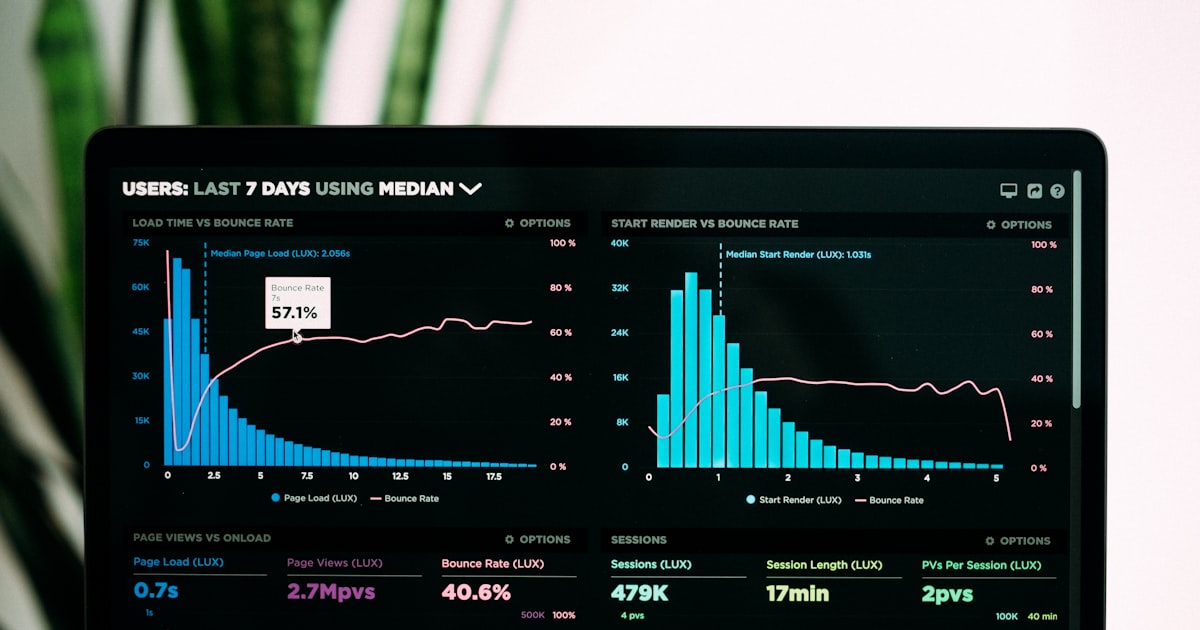
- Schema.org released an aggregate dataset showing monthly usage of structured-data types across millions of domains. Adoption trends for individual schema types (TVSeason, TVSeries, Product, FAQPage, and others) are now publicly measurable.
- When
- Announced via Google Search Central on LinkedIn, Thu 5 June 2026.
- How it shifts discovery
- Structured data has always been a discoverability lever. Now adoption trajectories are visible, which means the relative advantage of being early on a schema type is also visible. The teams who track adoption curves can pick which schemas to ship before the market saturates.
- Questions to ask
- Which schema types are still under-adopted in my category but supported by major surfaces?
- Where am I shipping structured data that's table stakes vs. where am I genuinely ahead?
- Is my analytics team set up to monitor schema adoption trends as a forward indicator?
- Sources
- Google Search Central on LinkedIn, 5 June 2026
- Schema.org usage statistics dataset
Profound launches Documents for AI-visibility marketing teams
- What
- Profound added a Documents feature to its AI-visibility platform, letting marketing teams centralise opportunity briefs, generate AI-driven content insights, and work from a shared canvas inside the same tool used to track AI search performance.
- When
- Announced on the Profound blog, Wed 3 June 2026.
- How it shifts discovery
- The category of AI-visibility tooling is maturing into a workflow surface, not just a measurement dashboard. The teams making decisions inside the same tool they measure in are going to move faster than teams syncing across docs, sheets, and BI dashboards.
- Questions to ask
- Where does my AI-visibility measurement currently break the chain to action?
- Are my content briefs informed by what AI surfaces are actually citing, or by guesswork?
- Is my team set up to act on a citation-share shift in days, not weeks?
- Sources
- Profound. Introducing Documents, 3 June 2026
Key takeaways
What to walk away with this week
- 01
Citation share inside ChatGPT is now a weekly measurement discipline, not a quarterly one. The GPT-5.5 shift moved at the scale of a Google core update.
- 02
Entity-anchored discovery is real. With Google's new Search Profile, branded SERPs have a controllable surface for the first time, get the entity signals clean before competitors do.
- 03
Plan for persistent memory. Identify the moments in your customer journey where being remembered by ChatGPT is more valuable than being ranked.
- 04
Run a schema-adoption read on your category. Schema.org's new dataset reveals where you're early, and the early-mover advantage closes once the curve saturates.
- 05
Pick measurement workflows that live inside the same tool you act in. The cost of context-switching between dashboards and decisions is now days, not minutes.