GSC Now Tracks Your Instagram, TikTok, X and YouTube Posts in Search
Google Search Console Just Got a Lot More Interesting for Growth Teams
Google has launched a new property type in Search Console called Platform Properties, and it does something genuinely useful: it shows you which search terms on Google Search and Discover are surfacing your Instagram, TikTok, X and YouTube content, even though you don't host any of it on your own domain.
This isn't a minor UI update. It's a structural shift in how Google positions GSC, moving it from a website performance tool into a cross-platform organic discovery dashboard.
What Exactly Is a Platform Property?
A Platform Property is a distinct property type inside Search Console, separate from your existing domain or URL-prefix properties. Rather than measuring traffic to pages you own, it measures how your content on third-party platforms (currently Instagram, TikTok, X and YouTube) performs in Google's own surfaces: Search results and Discover.
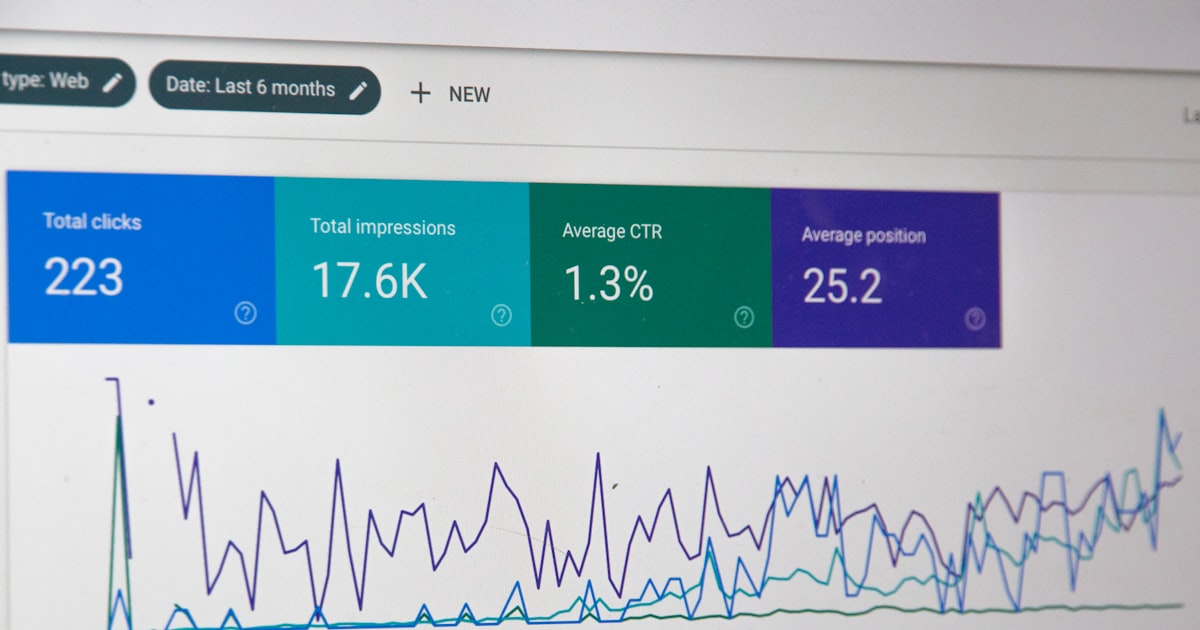
You verify ownership by connecting the relevant account. Once verified, you get access to the standard Performance report: impressions, clicks, click-through rate and average position, broken down by query, page and device, just as you would for your own site.
When Did This Launch?
Google introduced Platform Properties on 7 July 2026. The timing is easy to confuse, so it is worth being precise: in June 2026 Google launched Search profiles, the public creator profile pages for qualified creators. That is a separate feature. Platform properties are an analytics property type, not a public profile. The feature is being rolled out to users with access to the relevant third-party accounts. If you don't see it yet in your GSC interface, check under the property selector dropdown where you'd normally add a new property.
Why This Matters More Than It Looks
Until now, social and video teams had almost no reliable way to understand how organic search was contributing to content discovery on those platforms. You could see views and engagement inside Instagram Insights or TikTok Analytics, but the source breakdown was too blunt to be useful for search strategy.
Platform Properties gives you the query-level data. You can see that a specific Reel is being served to people searching for a particular term in Google, and that it's ranking in a specific position. That changes the brief for the next piece of content.
The Collaboration Angle Nobody Is Talking About
This is where the real strategic value sits. Growth teams that run SEO and social as separate functions now have a shared data layer. SEO managers can feed keyword opportunity data directly into social content briefs. Social teams can see which of their posts are pulling organic search traffic, and double down accordingly.
If you're already using Google Trends' period-over-period comparison to track trend velocity, layering Platform Property data on top gives you a much cleaner picture of demand signals across both search and social surfaces.
What the Performance Report Shows You
| Metric | Standard GSC Property | Platform Property (Social/Video) |
|---|---|---|
| Impressions | Yes | Yes |
| Clicks | Yes | Yes |
| Click-through Rate | Yes | Yes |
| Average Position | Yes | Yes |
| Query Breakdown | Yes | Yes |
| Google Discover Data | Where eligible | Yes, when it receives Discover traffic |
| Google News Data | Where eligible | Yes, when it receives Google News traffic |
| Content hosted on your domain | Yes | No (third-party platforms only) |
One caveat on the surfaces: the Discover and Google News reports only appear once your content actually receives traffic from those surfaces, so a brand-new property may show Search data first and fill in the others as traffic arrives.
The Edge Case Worth Thinking Through
What if the same topic lives on your website and your Instagram? You'll now have two data sets: one from your standard GSC property, one from your Platform Property. That's genuinely useful. You can compare which surface wins for a given query and decide where to invest the next piece of content. It also exposes cannibalisation risks you couldn't see before.
How to Set It Up
Log into Google Search Console and open the property selector. Choose to add a new property and look for the Platform Property option. You'll be prompted to authenticate with the relevant social or video account. Google's Search Central documentation is the right place to check for the latest verification steps as the rollout completes.
Once it's live, treat the query report as a content brief input, not just a reporting output. The searches driving impressions to your existing social content are the exact terms your next post should be built around.
The Immediate Action
Add your Instagram, TikTok, X and YouTube accounts as Platform Properties this week. Pull the query report once you have a meaningful window of data, then share it with your social and content teams. One detail Google has not spelled out is whether verifying an account backfills your historical data or whether reporting starts fresh from the verification date. Confirm that before you count on a full report, because it decides whether the tool is useful on day one or only after several weeks of accumulation. If your SEO and social functions don't have a shared briefing process yet, this is a credible reason to build one. The data is now there to support it.
For growth teams already thinking about how AI and algorithmic tools are reshaping performance visibility, this sits alongside developments like Google's new channel diagnostics inside Performance Max as part of a broader push toward cross-surface measurement. The direction is clear: Google wants you to manage your entire search footprint inside its tools, not just your website.
Tags